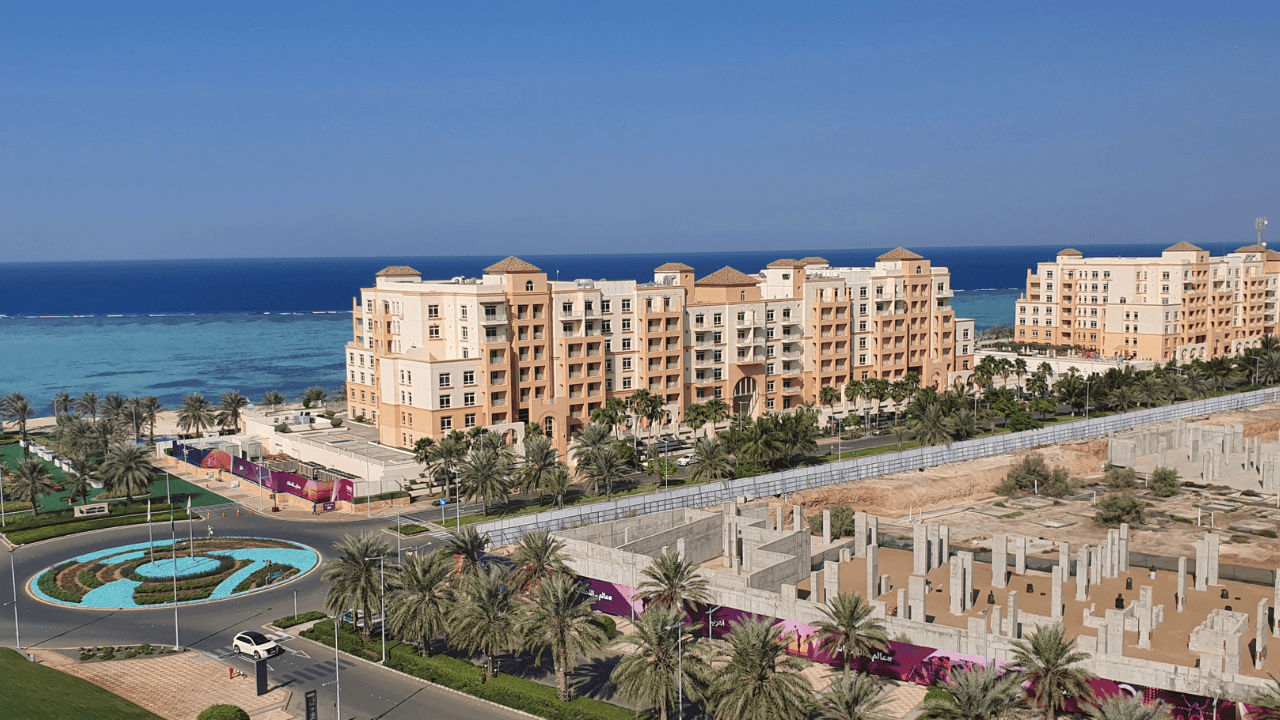

Have you ever wondered what a city built from scratch in the 21st century looks like? Welcome to King Abdullah Economic City (KAEC), Saudi Arabia’s ambitious answer to urban planning perfection. This isn’t just another development – it’s a living, breathing testament to what happens when visionary leadership meets unlimited resources.
Located on Saudi Arabia’s stunning Red Sea coast, KAEC represents one of the most significant urban development projects in modern history. With over $100 billion invested and counting, this master-planned city is redefining what it means to build for the future. From cutting-edge automotive manufacturing to world-class residential communities, KAEC is where Saudi Vision 2030 transforms from ambitious blueprint to remarkable reality.
What is King Abdullah Economic City?
King Abdullah Economic City isn’t your typical urban development. Spanning over 173 square kilometers along Saudi Arabia’s Red Sea coastline, KAEC represents a revolutionary approach to city planning that prioritizes sustainability, economic diversification, and quality of life.
Launched in 2005 and named after the late King Abdullah bin Abdulaziz, this mega-project serves as a cornerstone of the Kingdom’s economic transformation. Unlike traditional cities that evolve organically over centuries, KAEC was designed from the ground up with specific objectives: reducing Saudi Arabia’s dependence on oil, creating hundreds of thousands of jobs, and establishing the Kingdom as a global logistics and manufacturing hub.
The city operates under a special economic zone framework, offering significant advantages to businesses and investors. This includes streamlined regulations, competitive tax structures, and access to world-class infrastructure that rivals anything found in Dubai or Singapore.
What makes KAEC particularly fascinating is its integrated approach. Rather than simply creating an industrial zone or residential community, the developers have built a complete ecosystem where people live, work, and play within the same environment. This holistic vision addresses one of modern urban planning’s greatest challenges: creating sustainable communities that don’t require excessive commuting or resource consumption.
KAEC’s Strategic Role in Saudi Vision 2030
The significance of KAEC Saudi Arabia extends far beyond its impressive scale – it’s a critical component of the Kingdom’s Saudi Vision 2030 initiative. This transformative national program aims to diversify the economy, reduce oil dependence, and position Saudi Arabia as a global investment destination.
Within this broader framework, KAEC serves multiple strategic purposes. First, it demonstrates the Kingdom’s commitment to creating modern, sustainable urban environments that can compete with established business hubs across the region. The city showcases Saudi Arabia’s ability to execute large-scale infrastructure projects while maintaining the highest international standards.
Second, KAEC functions as a testing ground for innovative policies and business practices. The Special Economic Zone Saudi Arabia designation allows for regulatory flexibility that wouldn’t be possible in traditional Saudi cities. This creates an environment where international businesses can operate with familiar frameworks while benefiting from the Kingdom’s strategic advantages.
The city also plays a crucial role in the Kingdom’s demographic transformation. With over 70% of Saudi Arabia’s population under 35, KAEC provides career opportunities that keep young talent within the Kingdom rather than seeking opportunities abroad. The diverse range of industries – from advanced manufacturing to financial services – creates career paths that didn’t previously exist in the Saudi economy.
Perhaps most importantly, KAEC serves as a model for future developments across Saudi Arabia. The lessons learned from its construction and operation inform other mega-projects like NEOM, The Red Sea Project, and Qiddiya. This makes KAEC not just a destination, but a blueprint for the Kingdom’s urban future.
Industrial Valley: The Manufacturing Powerhouse
The heart of King Abdullah Economic City beats within its Industrial Valley KAEC, a sprawling manufacturing complex that’s reshaping the Kingdom’s industrial landscape. This isn’t just another industrial park – it’s Saudi Arabia’s largest Special Economic Zone, covering an impressive 60 million square meters.
The Industrial Valley represents a fundamental shift in Saudi Arabia’s economic strategy. Historically dependent on oil exports, the Kingdom is now building world-class manufacturing capabilities across multiple sectors. The zone focuses on what officials call “clean industries” – advanced manufacturing that creates high-value products without the environmental impact of traditional heavy industry.
Clean industries in Saudi Arabia within KAEC include pharmaceutical manufacturing, automotive assembly, food processing, and advanced materials production. Major pharmaceutical companies like Pfizer have established significant operations here, taking advantage of both the strategic location and the skilled workforce development programs.
The logistics advantages are extraordinary. Companies operating in the Industrial Valley benefit from direct access to King Abdullah Port, seamless connections to major highways, and proximity to the planned high-speed rail network. This tri-modal connectivity – sea, road, and rail – creates logistics efficiency that’s difficult to replicate elsewhere in the region.
What sets KAEC apart from other industrial zones is its focus on building complete supply chains rather than isolated manufacturing facilities. The automotive cluster, for example, doesn’t just assemble vehicles – it’s developing the entire ecosystem of suppliers, component manufacturers, and support services necessary for a thriving automotive industry.
King Abdullah Port: Revolutionizing Regional Trade
When complete, King Abdullah Port will be more than just a shipping facility – it will be the KAEC logistics hub that transforms Saudi Arabia into a global trade gateway. The numbers alone are staggering: a planned capacity of 25 million containers annually, which exceeds the combined capacity of all other Saudi ports.
But capacity is just the beginning. The port’s strategic advantages stem from its location, depth, and integrated design. At 18 meters deep, it’s the deepest port in the region, capable of handling the largest container ships in operation today. This depth advantage means more efficient cargo operations and lower per-unit shipping costs for businesses using the facility.
The port’s design integrates multiple cargo types seamlessly. The container terminal handles traditional shipping, while specialized facilities manage automotive imports and exports (crucial for the growing automotive sector), bulk commodities, and even luxury goods that require secure handling.
Perhaps the most exciting development is the planned cargo train station that will connect Saudi Arabia’s western and eastern coasts. This rail connection means goods arriving at King Abdullah Port can reach the eastern provinces – including the major oil and petrochemical facilities – within 24 hours. For businesses, this creates unprecedented efficiency in moving products across the Kingdom and into neighboring markets.
The port also serves the luxury goods market, with specialized facilities for handling high-value items like vehicles, yachts, and aircraft. This capability supports both the domestic luxury market and KAEC’s role as a regional distribution hub for premium brands.
The transformation is already visible. What was empty coastline just two decades ago now hosts one of the Middle East’s most advanced port facilities, with expansion phases continuing to add capacity and capability.
Automotive Excellence: From Lucid to Hyundai
The automotive sector represents one of KAEC Saudi Arabia’s most impressive success stories, transforming the Kingdom from a car importer to an emerging automotive manufacturing hub. The King Salman Automotive Cluster within KAEC now hosts some of the world’s most advanced vehicle production facilities.
Lucid Motors and the EV Revolution
Lucid Motors Saudi Arabia operations represent a quantum leap in the Kingdom’s manufacturing capabilities. The facility produces Lucid’s luxury electric vehicles using the same advanced manufacturing techniques found in the company’s Arizona plant. With production capacity reaching 150,000 vehicles annually, this facility alone represents a massive investment in Saudi Arabia’s automotive future.
What makes Lucid’s Saudi operations particularly significant is the technology transfer component. Saudi engineers and technicians receive training in advanced manufacturing techniques, quality control systems, and electric vehicle technology. This knowledge transfer creates a foundation for future automotive development across the Kingdom.
Hyundai’s Manufacturing Excellence
The Hyundai Saudi Arabia plant brings proven automotive manufacturing expertise to KAEC. With planned production of 50,000 vehicles annually, Hyundai’s facility focuses on models specifically designed for Middle Eastern markets, including both conventional and hybrid powertrains.
Hyundai’s investment goes beyond vehicle assembly. The company is developing a comprehensive supplier network within Saudi Arabia, creating opportunities for local manufacturers to participate in global automotive supply chains. This supplier development program represents exactly the kind of economic diversification that Saudi Vision 2030 envisions.
Seir: Saudi Arabia’s National EV Brand
Perhaps most exciting is Seir electric vehicles Saudi Arabia, the Kingdom’s first national automotive brand. This isn’t just badge engineering – Seir represents a comprehensive approach to developing indigenous automotive capabilities, from design and engineering to manufacturing and marketing.
The Seir project demonstrates Saudi Arabia’s commitment to electric vehicle technology and sustainable transportation. By developing its own EV brand, the Kingdom positions itself at the forefront of the global automotive transition while creating a uniquely Saudi automotive identity.
Living in KAEC: Residential Luxury Meets Community
KAEC real estate and lifestyle offerings transform the traditional concept of industrial cities. Rather than creating a sterile business environment, KAEC developers have built vibrant residential communities that rival the best planned cities anywhere in the world.
The KAEC residential projects span the complete spectrum of housing options. Affordable housing initiatives ensure that workers across all income levels can live within the city, while luxury developments cater to executives and international residents seeking premium accommodations.
What sets KAEC apart from other planned communities is its integrated design. Residents don’t just have homes – they have access to a complete urban ecosystem. International schools serve the children of multinational families, while healthcare facilities provide world-class medical services. Shopping, dining, and entertainment options create the social fabric that makes KAEC a genuine community rather than simply a place to live.
The residential areas benefit from the same strategic planning that makes KAEC’s business districts so efficient. Green spaces are integrated throughout, providing recreation and environmental benefits. Transportation networks connect residential areas to employment centers without creating the traffic congestion that plagues many rapidly growing cities.
Perhaps most importantly, KAEC’s residential communities are designed for the long term. Unlike boom-and-bust development cycles common in resource-dependent economies, KAEC’s diversified economic base creates sustainable demand for housing across all market segments.
Tourism and Lifestyle: Golf, Hospitality, and More
KAEC tourism and golf facilities add another dimension to the city’s appeal, creating recreational opportunities that enhance quality of life for residents while attracting visitors from across the region.
The centerpiece of KAEC’s recreational offerings is its championship golf course, strategically located along the Red Sea coastline. This isn’t just a golf course – it’s a destination that attracts players from across the Middle East and beyond. The facility regularly hosts international tournaments and has become a popular destination for golf tourism.
What makes KAEC’s golf offerings particularly interesting is their connection to religious tourism. Many visitors to Mecca and Medina extend their stays to experience KAEC’s recreational facilities, creating an unexpected but lucrative tourism synergy.
The hospitality infrastructure supports both business and leisure travel. Hotels within KAEC cater to executives visiting the industrial facilities, families enjoying recreational amenities, and tourists exploring the Red Sea region. This diversified tourism base creates year-round economic activity that complements the city’s industrial focus.
KAEC’s coastal location provides unique recreational opportunities unavailable in inland Saudi cities. Water sports, beaches, and marine recreation create lifestyle amenities that help attract and retain the international talent necessary for the city’s continued growth.
Investment Opportunities and Economic Incentives
The Special Economic Zone Saudi Arabia designation provides KAEC with regulatory and economic advantages that create compelling investment opportunities across multiple sectors.
For international investors, KAEC offers a unique combination of strategic location, world-class infrastructure, and business-friendly policies. The special economic zone framework provides tax incentives, streamlined regulatory processes, and access to Saudi Arabia’s growing domestic market without many of the complexities traditionally associated with doing business in the Kingdom.
Manufacturing companies benefit from proximity to both raw materials and key markets. Saudi Arabia’s petrochemical industry provides feedstock for various manufacturing processes, while the growing regional economy creates demand for finished goods. The logistics advantages of King Abdullah Port and the planned rail connections create cost efficiencies that improve competitiveness across global markets.
Real estate investors find opportunities across the spectrum, from industrial facilities and warehouses to residential developments and commercial properties. The diversified economic base creates sustainable demand across all property types, while the master-planned development ensures quality and consistency.
Technology companies benefit from KAEC’s focus on innovation and digital infrastructure. The city’s commitment to becoming a smart city in Saudi Arabia creates opportunities for companies specializing in urban technology, logistics optimization, and digital services.
Perhaps most importantly, KAEC provides access to Saudi Arabia’s Vision 2030 transformation without requiring investors to navigate the complexities of established Saudi cities. This makes KAEC an ideal entry point for companies seeking to participate in the Kingdom’s economic diversification.
The Future of Smart Cities in the Middle East
As we look toward the future, King Abdullah Economic City stands as more than just a successful development project – it’s a proof of concept for sustainable urban development in challenging environments. The lessons learned from KAEC’s construction and operation inform urban planning decisions across the Middle East and beyond.
The city’s integrated approach to economic development, environmental sustainability, and quality of life creates a model that addresses many of the challenges facing rapidly growing economies. Rather than choosing between economic growth and environmental protection, KAEC demonstrates that thoughtful planning can achieve both objectives simultaneously.
KAEC’s success also validates the special economic zone model for developing economies seeking to diversify their economic base. By creating regulatory and economic environments tailored to specific industries, governments can accelerate economic development while maintaining control over the pace and direction of change.
Looking ahead, KAEC’s continued expansion will likely influence urban development strategies across Saudi Arabia and the broader region. The city’s success in attracting international investment, developing local talent, and creating sustainable economic growth provides a blueprint for future developments.
The automotive cluster’s success, in particular, demonstrates that emerging economies can compete in advanced manufacturing sectors previously dominated by established industrial powers. This success creates confidence for even more ambitious projects and investments.
The transformation happening at King Abdullah Economic City represents more than urban development – it’s a window into the future of the Middle East. As Saudi Arabia continues its economic diversification and regional competitors accelerate their own development programs, KAEC stands as proof that with vision, resources, and commitment, it’s possible to build truly transformative urban environments.
Whether you’re an investor seeking opportunities in emerging markets, a business looking for strategic advantages in global trade, or simply someone fascinated by urban innovation, KAEC deserves your attention. This isn’t just a city of the future – it’s the future happening right now.